

Post-Traumatic Stress Disorder or PTSD, is a mental health problem that some people develop after experiencing or witnessing a life-threatening event. The event could be (but isn’t limited to) combat, a natural disaster, a car accident, or a sexual assault, and usually results in the victim experiencing great stress and fear.
PTSD United reports that about 70% of adults in the world have encountered one or more traumatic events in their lives. That’s roughly about 223.4 million people! Out of those people, 1 in 9 women develop PTSD. These staggering numbers show that women are twice as likely to encounter PTSD than men. In America, about 7 out of every 100 people will have PTSD at some point in their lives. It’s safe to say that PTSD is common in the US, but most people are unaware that they have it or have experienced it in their lifetime.
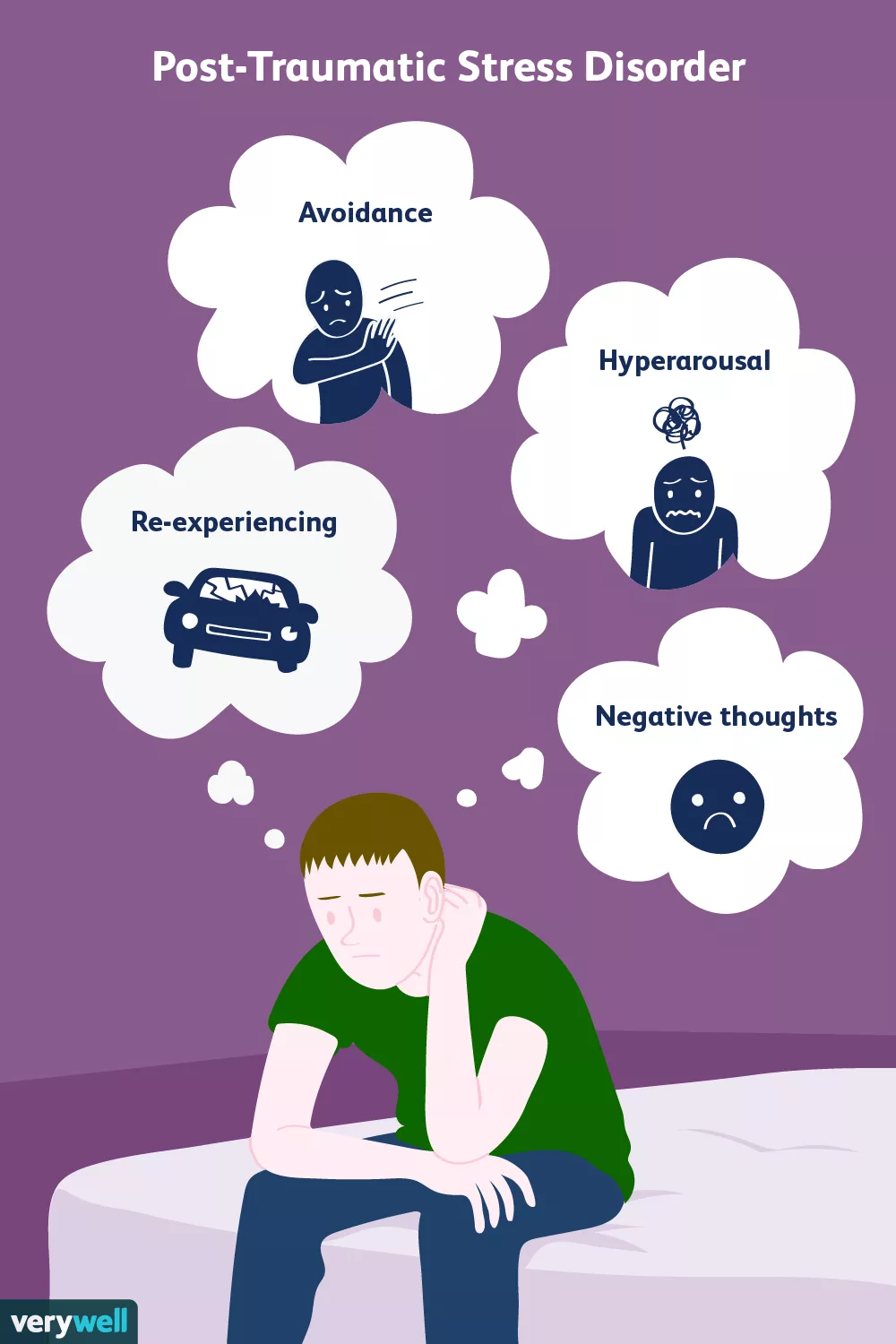
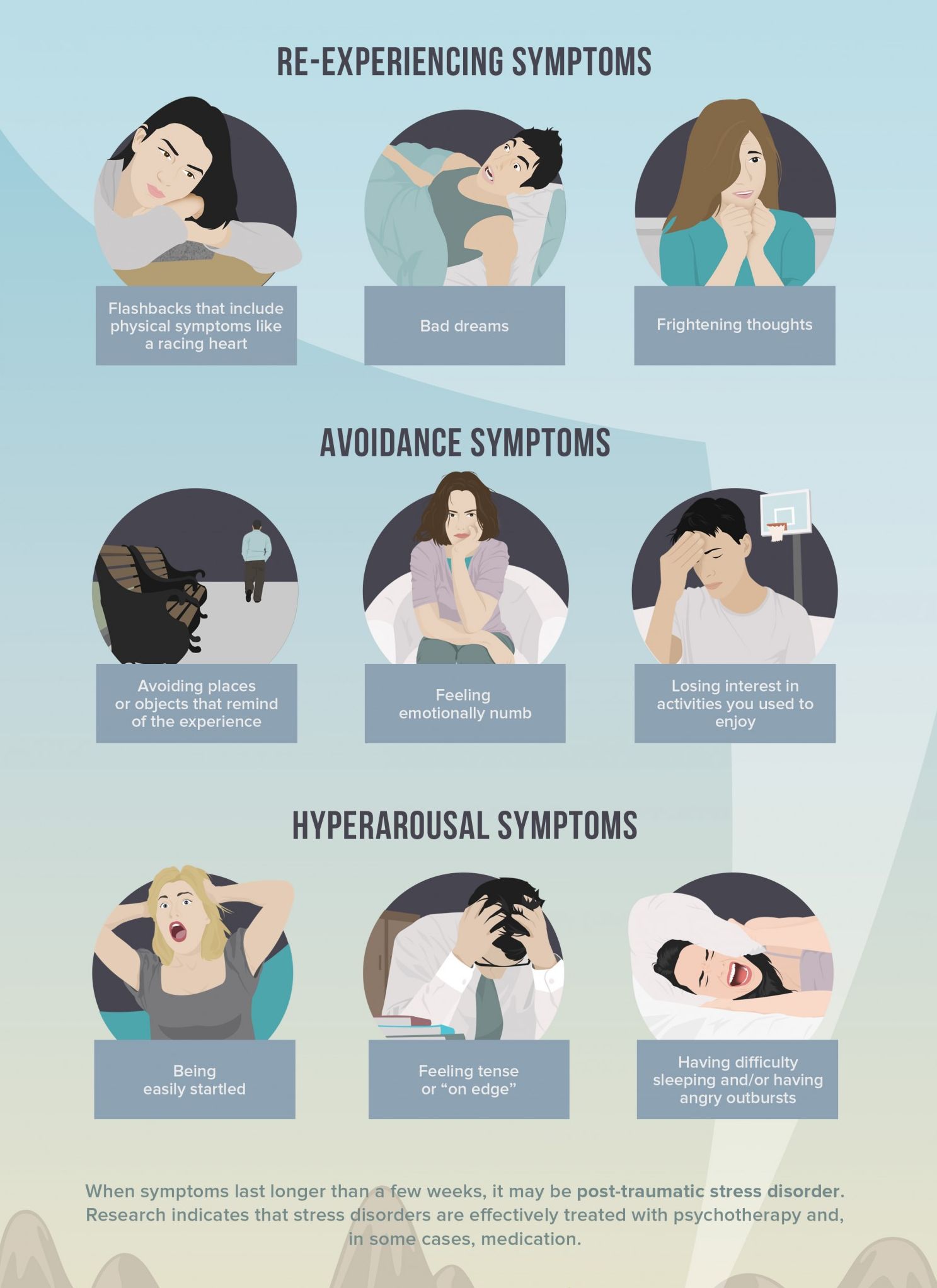
PTSD is a psychological illness, so everyone’s experience is unique. However, most symptoms can fit into 4 different categories: re-experience, avoidance, cognitive, and arousal. Symptoms can include recurring flashbacks of the trauma, bad dreams, intrusive thoughts, avoiding places that are connected to the traumatic event, trouble recalling the event, negative thoughts about one’s self, and hyper-vigilance. These effects could be immediate or develop over time, and they could also go away on their own or last a lifetime. Unfortunately, PTSD symptoms also tend to co-exist with other conditions like substance abuse disorders, depression, and anxiety.

PTSD negatively impacts those with the illness, but also the people closest to them. The National Center for PTSD reports that around 38% of Vietnam war veterans have failed marriages within 6 months of returning back home. War veterans who have specifically been diagnosed with PTSD have an even higher percentage of marital problems and family violence compared to those with other forms of trauma. Family members, friends, and partners often feel alienated and discouraged by their loved one.
There is no exact cure for PTSD. There are, however, treatments to help this illness become manageable, or potentially even go away. The first type is called trauma-focused psychotherapy and it is the most highly recommended kind of treatment. These kinds of therapies focus on the event or memories of the event to help the victim fully process the traumatic event in a healthy way. The second type of treatment is the use of medication. The most common medications are Selective Serotonin Reuptake Inhibitors or SSRIs. They’re used to ease symptoms of depressed mood and anxiety. Running has also been found to be a huge help for those who are affected by reducing symptoms. It boost levels of a brain protein called brain-derived neurotrophic factor which helps the brain adapt to stressors.
Hopefully, this entry, and our other entries can provide some different information and perspectives on this prevalent illness. We discuss individuals’ experiences with PTSD, the media’s representation of PTSD, and scholarly communication regarding PTSD.
Remember, you are not in this alone! If you or someone you know is struggling, don’t hesitate to talk to someone.
National Alliance on Mental Illness (NAMI): (800) 950-NAMI (6264). Available Monday through Friday between 10 a.m. and 6 p.m. EST, hotline staff are prepared to answer any mental health questions you may have. If you prefer, you can also text NAMI to 741741 for free support.
Citations
Kessler, R.C., Sonnega, A., Bromet, E. Hughes, M., & Nelson, C.B. (1995). Posttraumatic stress disorder in the National Comorbidity Survey. Archives of General Psychiatry, 52(12), 1048-1060. (Kessler, 1995)
Post-Traumatic Stress Disorder. (2017, December). Retrieved September 13, 2018, from https://www.nami.org/Learn-More/Mental-Health-Conditions/Posttraumatic-Stress-Disorder (NAMI 2017)
PTSD Statistics. (2013, June 7). Retrieved September 13, 2018, from http://www.ptsdunited.org/ptsd-statistics-2/ (PTSD United, 2013)
Treatment for PTSD. (2009, July 07). Retrieved September 13, 2018, from https://www.ptsd.va.gov/public/treatment/therapy-med/index.asp (DVA, 2009)
What is PTSD? (2007, January 01). Retrieved September 13, 2018, from https://www.ptsd.va.gov/public/PTSD-overview/basics/what-is-ptsd.asp (DVA, 2007)
 Post-Traumatic Stress Disorder