
We examined an article titled “Veteran-Child Communication about Parental PTSD”. It was published in the Journal of Family Psychology, Volume 4, in 2015. Here’s what they had to say.
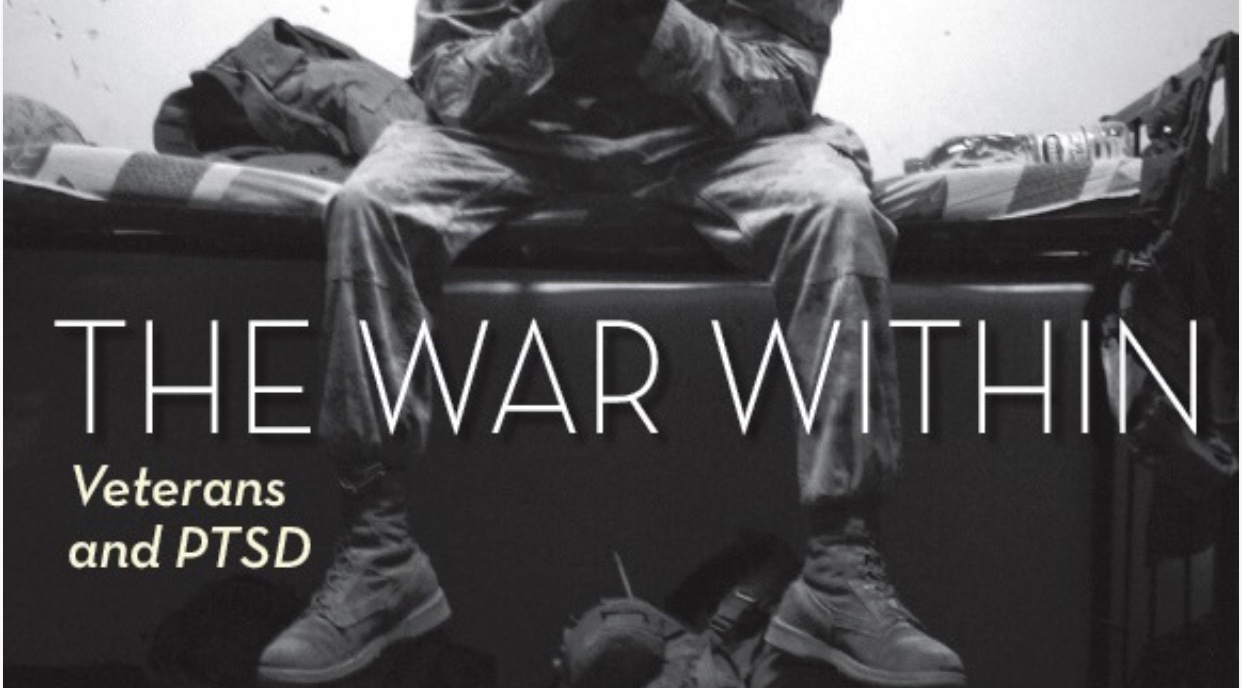
The main research question asks how the communication between children and veteran parents is affected by the presence of Parental PTSD. The researchers studied veterans living with Parental PTSD through examination of their motivations and hindrances for disclosure, the content of the disclosure and the effects of traumatic disclosure on children. In this study, mixed methods were used. Qualitative, quantitative, and sequential studies were done, and the final results were deduced through the synthesis of the results of each method (Journal of Family Psychology, Vol 29 (4), Aug, 2015. pp. 595-603).
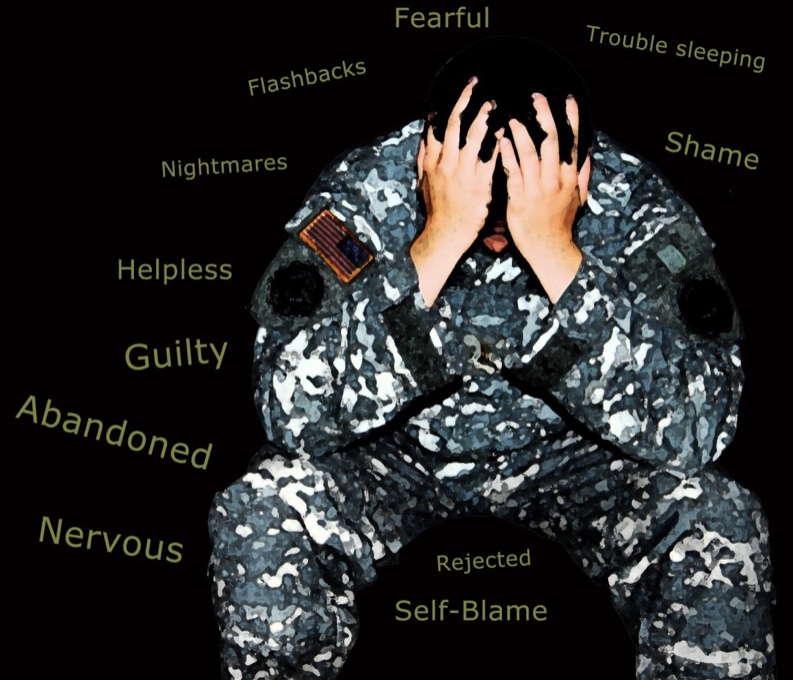
After reading this article, some of the more significant findings came as no surprise to us. One of the findings we observed was the fact that having dependent children in the household actually increases the likelihood of a PTSD diagnosis, rather than decreases it. Another one of the findings we observed was there were clear associations between Parental PTSD and child behavioral problems. We did not find it to contradict nor discredit any information that had previously been gathered. These findings would prove helpful by way of highlighting what is not being taken into consideration when studying Parental PTSD.
Overall, the conclusion of the article focused on the desire of veteran parents who actively seek to improve familial communication. According to the article, “research on parent–child communication surrounding serious mental illness has documented parental desire to educate and reassure their children.” Referencing the article once more, since PTSD-afflicted parents were able to acknowledge the dysfunctionality inside the homes, the researchers concluded that educating those who have been affected by Parental PTSD can show veterans how to manage a healthy relationship with their child (Journal of Family Psychology, Vol 29 (4), Aug, 2015). As far as similarities and differences, each aspect that was present throughout this article directly coincides with our study into the facts and figures of PTSD, the way media portrays PTSD, as well as the personal experiences surrounding PSTD.

These four health blogs really helped our team look at all the different perspectives of PTSD. The facts and figures portion gave a basic rundown of the disorder including causes, effects, and treatments. We then went in depth about how the public sees PTSD by analyzing the media representation of this disorder. Then, we moved into a more personal category by bringing to light the varied personal experiences of victims of PTSD. Lastly, we focused on scholarly discussions of this disorder. Ultimately, we want to make this blog helpful to anyone who suffers from PTSD. We have these different entries in order to be more well-rounded in our research. There are important social aspects we want to speak for that are not often represented in blogs, and PTSD is one of them.
Lifeline for Vets is a toll-free PTSD hotline specially geared towards veterans and their families for crisis intervention, referrals, and information. If you or anyone you know is suffering from PTSD, lend them a hand and encourage them to call (888) 777 4443. Every veteran counts, and so does their recovery!
 Post-Traumatic Stress Disorder
1 thought on “Scholarly Articles: What do the Scholars Say?”