

PTSD isn’t simply stress after a traumatic event. It’s more than just a memory, this a life altering experience to live through. However, PTSD patients are reminded of their experiences at a higher degree than others. Mass media are constantly producing elements of PTSD in its content whether it be through film or text. There are both positive and negative aspects to this claim. This end sup producing many frequent misconceptions being produced. In an article by Susan Pitman of The Huffington Post she states PTSD is simply stress after a trauma. There is a term for those who feel stressed after a trauma it’s called “being human” (Pitman, 2017).
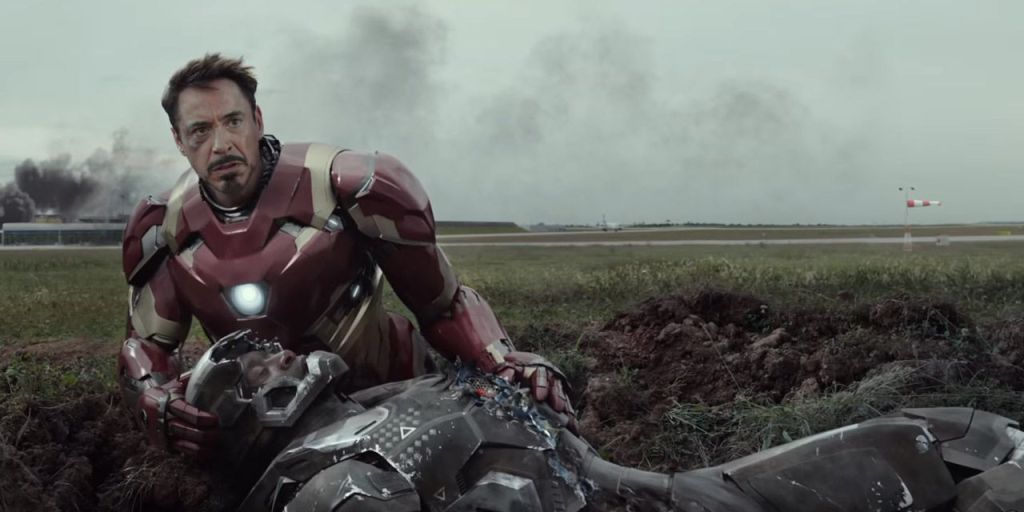
Social determinants are extremely important in determining the health outcome of an individual. As previously stated, PTSD can be the result of many different social determinants. Wealth, environment, and experiences all of which manifest a major determinant that is overly portrayed in fictional narratives and. First Blood, American Sniper, and Iron Man are all critically acclaimed war films about the struggles of PTSD in war veterans, especially American men from the Vietnam and Iraq war. There is an endless list of movies that have that exact plot. These films present those soldiers of a lower socio economic background all come home the same. Instead of highlighting it as an issue. These examples are gloried by the media as heroic stories of struggle. Even our fictional heroes can suffer from PTSD.
Even movies today, tend to demonize PTSD victims making them look “psycho” instead of showing their truth. The representations are sensationalistic and exclusive of the different types of victims that suffer from PTSD. There are many veterans who suffer from PTSD, but there are also those who have PTSD from living in violent neighborhoods. Having little education, poor health status, or a lower socioeconomic status are all real and common social determinants of PTSD victims. Even our fictional heroes can suffer from PTSD.
While studying the trends, we’ve noticed that the overall way PTSD is represented in media is circumstantially positive and negative. The positive representation of PTSD is fueled by the few accurate depictions of how PTSD can affect people. Some writers and directors seek medical consultation and people with direct experience of PTSD in order to produce an accurate understanding of PTSD as a whole. In contrast, the negative representation of PTSD is fueled by the over-dramatization of PTSD symptoms. There are those that depict PTSD symptoms in such a way as to make the sufferer seem “crazy, dangerous, and completely unpredictable.” Also, there are only select types of PTSD triggers that are explored. This creates a bias, and biases can be used to discredit people who experience PTSD in a way that is different from what has been universally portrayed.
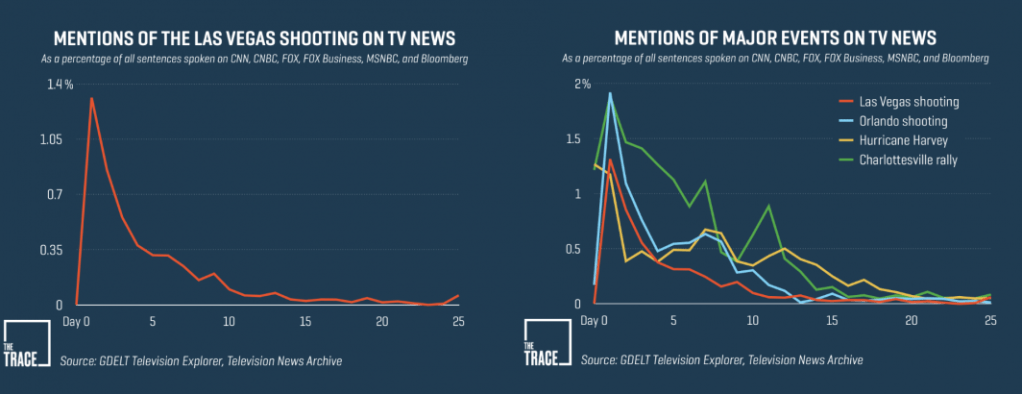
In the media today, we are constantly fed traumatic stories of horrible atrocities that have been carried out both home and abroad. Yet we consistently are driven to be entertained rather than being empathetic to those who have survived those events. We’re Under Attack! News media provides coverage of traumatic events, such as disasters, gang violence and terrorist attacks these make it hard for people to turn away. People want to feel safe by being informed of these situations, so they can feel prepared for future events. The most often occurring misconceptions about PTSD, is that the only people that are accepted that live with it are those who served in the armed forces. As a society we need to understand that PTSD does not only effect one type of person or group. Our greatest enemy is downplaying the situations that survivors have lived through.
If you are in crisis, and need immediate support or intervention, call, or go the website of the National Suicide Prevention Lifeline (1-800-273-8255).
Trained crisis workers are available to talk 24 hours a day, 7 days a week. Your confidential and toll-free call goes to the nearest crisis center in the Lifeline national network.
Citations
Cimino, M. (Director). (1978). The Deer Hunter [Motion picture on DVD]. United States: Universal/EMI.
Kotcheff, T. (Director). (1982). First Blood [Motion picture on DVD]. United States: Orion Pictures Corp.
Pitman, S. (2017, June 26). The 5 Most Common Misconceptions About PTSD. Retrieved December 22, 2018, from https://www.huffpost.com/entry/the-five-most-common-misconceptions-about-ptsd_b_5950e6c4e4b0326c0a8d09be?ec_carp=7770294556032802708
 Post-Traumatic Stress Disorder